Nawal Alkhalawi is Taking Saudi Culinary Stories Global with Asfar
Discover how Nawal Alkhalawi is taking Saudi culinary stories global through Asfar, blending heritage, wellness, sustainability, and hospitality into meaningful food experiences.
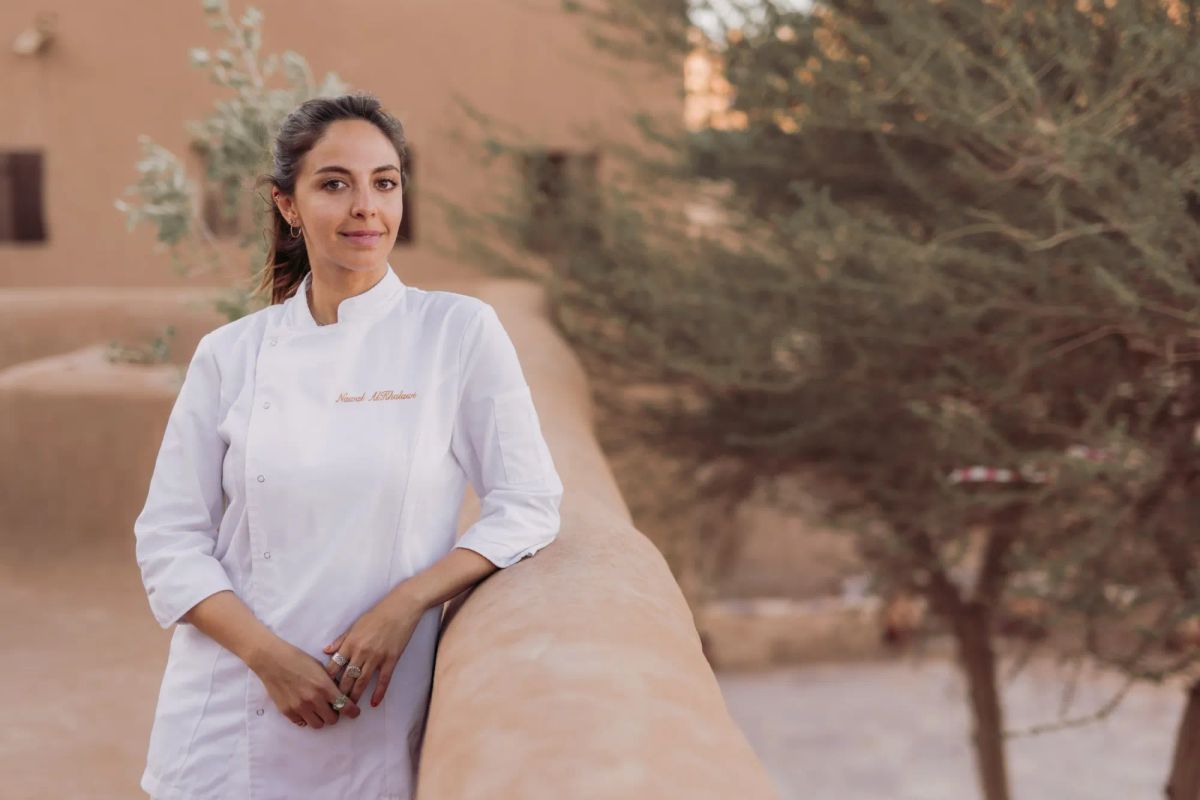
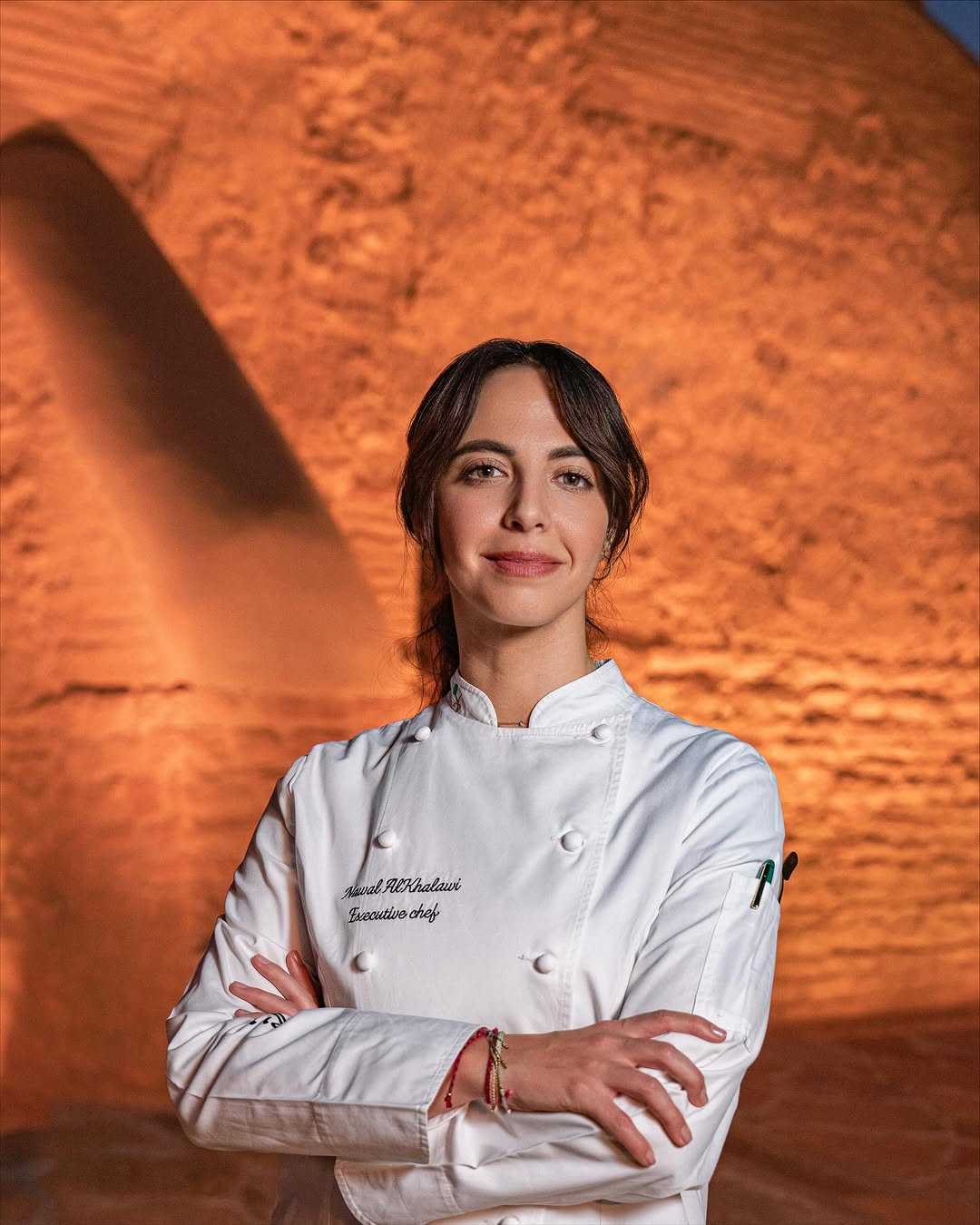
Saudi Arabia’s culinary landscape is changing. Across the Kingdom, cuisine is becoming a way to understand place. Nawal Alkhalawi belongs to this transformation. As the founder of Asfar Experience, she has built a culinary and hospitality platform rooted in Saudi heritage, seasonal ingredients, sustainability, and storytelling. Her work is not only about presenting Saudi cuisine beautifully. It is about asking what food can carry: memory, discipline, hospitality, geography, family, and a sense of belonging.
For a new generation of Saudi founders, Nawal’s journey offers a clear lesson: culture is not a soft asset. When treated with care and strategy, it can become the foundation of a powerful venture.
Where Food First Became a Language
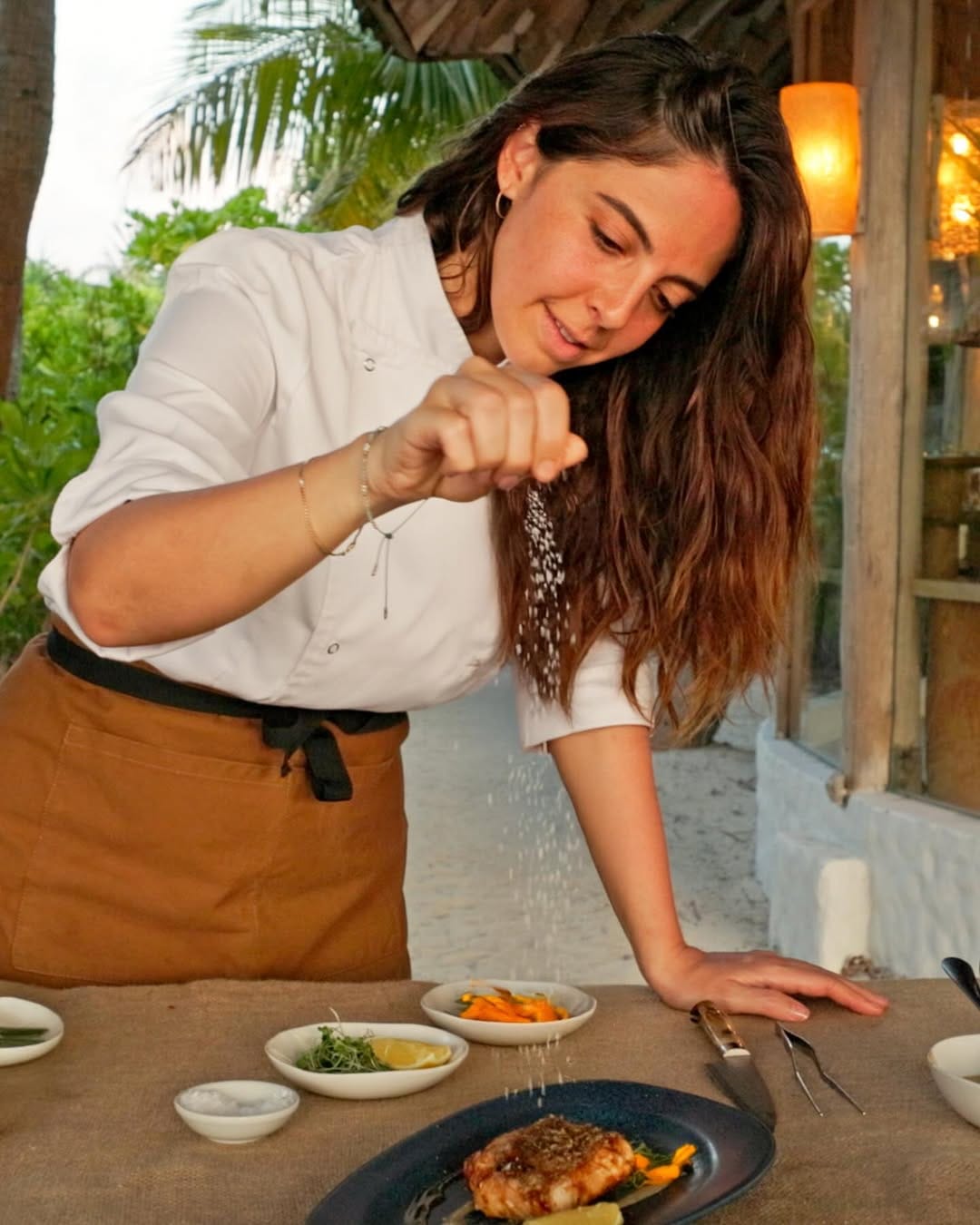
Nawal’s earliest connection to food began at home. At the age of seven, growing up in Jeddah, she was given responsibility for tea-time treats. It was a small family ritual, but it taught her something that would later shape her work: discipline, consistency, and care. Her upbringing also gave her a layered view of identity. With a Saudi father and a German-Croatian mother, and a life shaped by both Jeddah and California, Nawal grew up between cultures. That mix did not pull her away from Saudi cuisine. It gave her a wider lens through which to understand it. As she has described it:
“Food was always the language of our home.”
That sentence explains much of her work today. For Nawal, food is not only flavor. It is a form of communication. It tells people where you come from, what you value, how you host, and what you choose to preserve.
An Observation That Became 'Food Evolution'
Before Asfar, Nawal’s work began in education. Trained in special education, she noticed something practical and urgent while working with children: many lunchboxes were not supporting children’s health. The observation was simple, but it opened a larger question. How could parents make better food choices in a way that felt accessible, realistic, and nourishing?
That question became the beginning of Food Evolution, her early venture focused on health, wellness, and better eating habits. Many founders search for an idea. Nawal’s first idea came from noticing what was already in front of her. Food Evolution gave her a starting point. It helped her build a voice around wellness, nutrition, and care. But it also became a bridge into something broader. Over time, her interest in food moved beyond health alone and into culinary craft, cultural memory, and experience design.
How Asfar Turned Culinary Experience into Cultural Storytelling
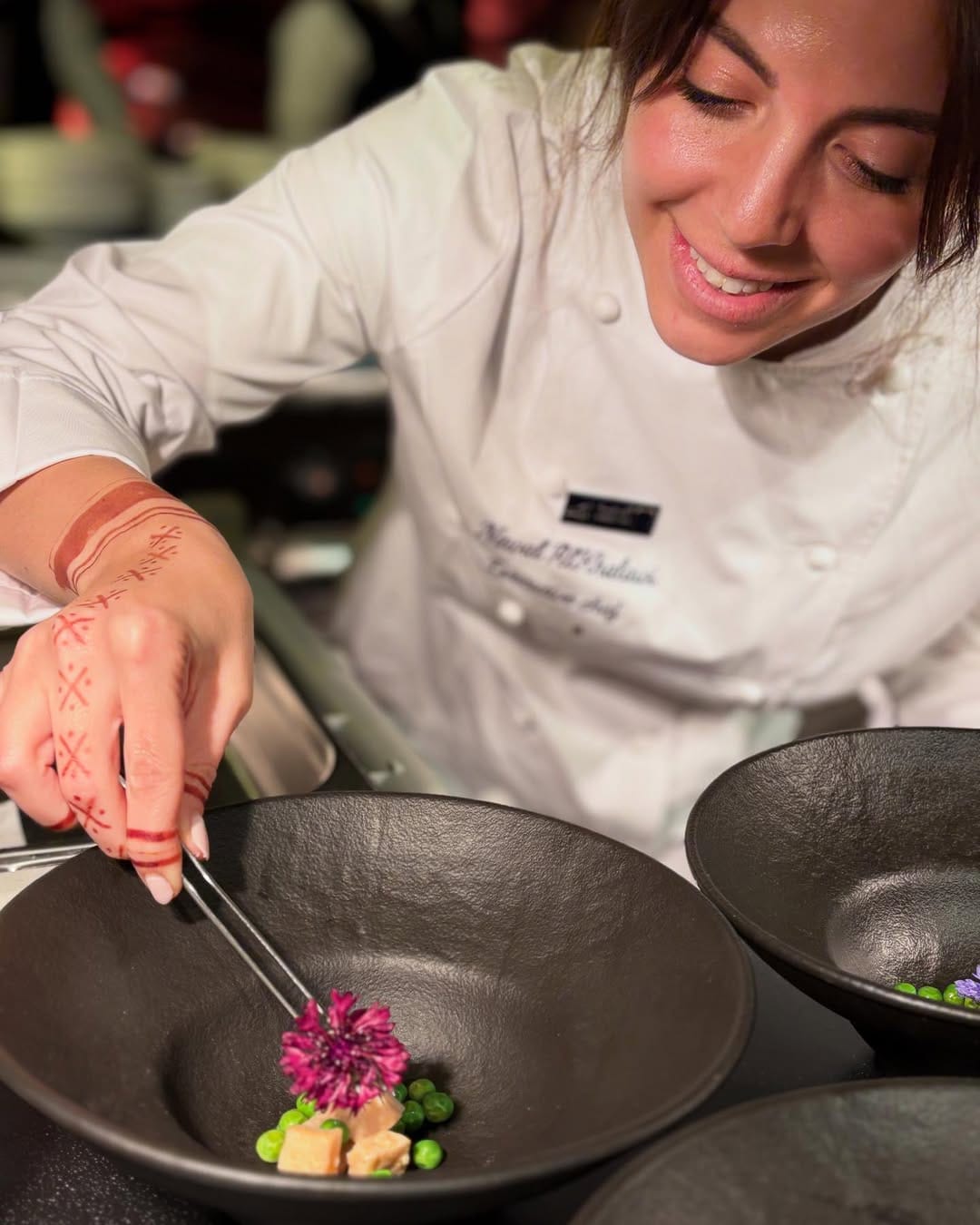
Nawal deepened her craft through formal culinary training, including study at Le Cordon Bleu London. This phase gave her technical structure, but her work did not become detached from its roots. Instead, the training helped her refine what she already understood instinctively: food can be both precise and emotional. It can be disciplined without losing warmth. It can honor tradition while still moving forward. That shift led to Asfar Experience.
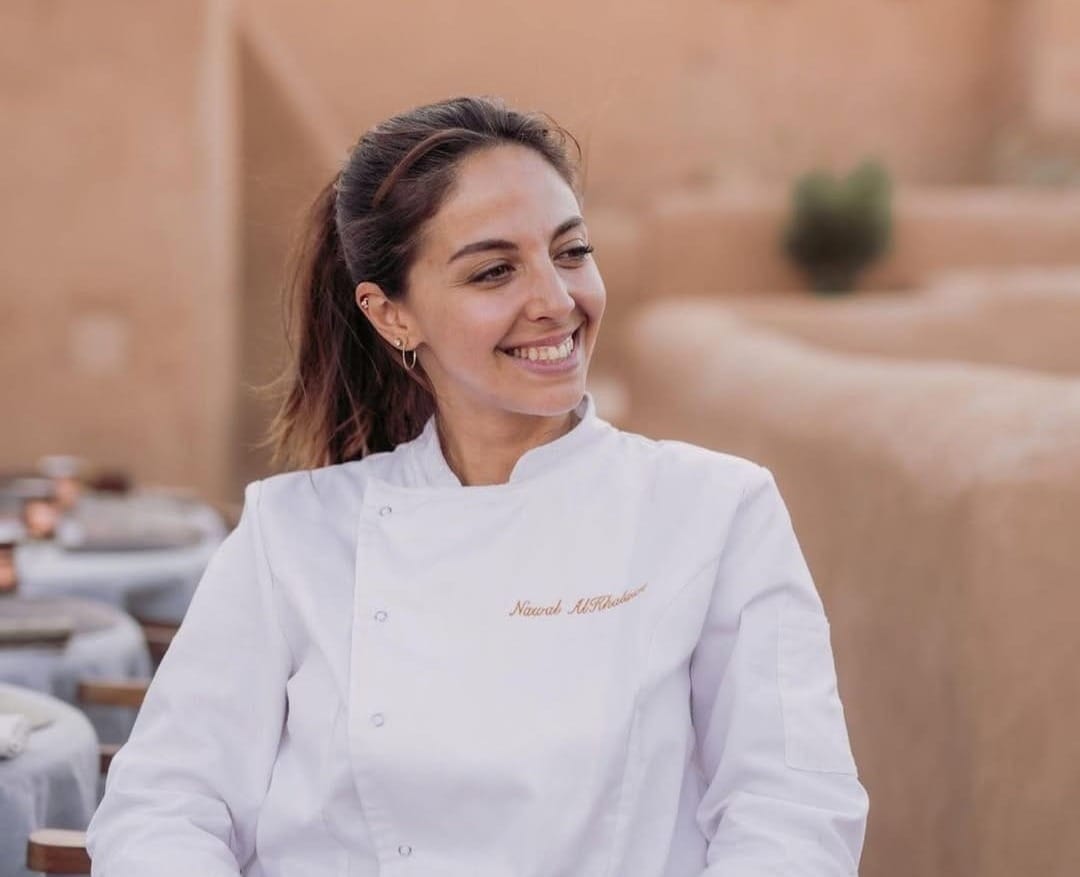
“Wellness has always guided me, for the body, the land, and the community. At Le Cordon Bleu I learned refinement, but nutrition taught me that flavor comes from honest produce. For me, luxury is respect: for the ingredient, for the guest, and for the act of nourishing.”
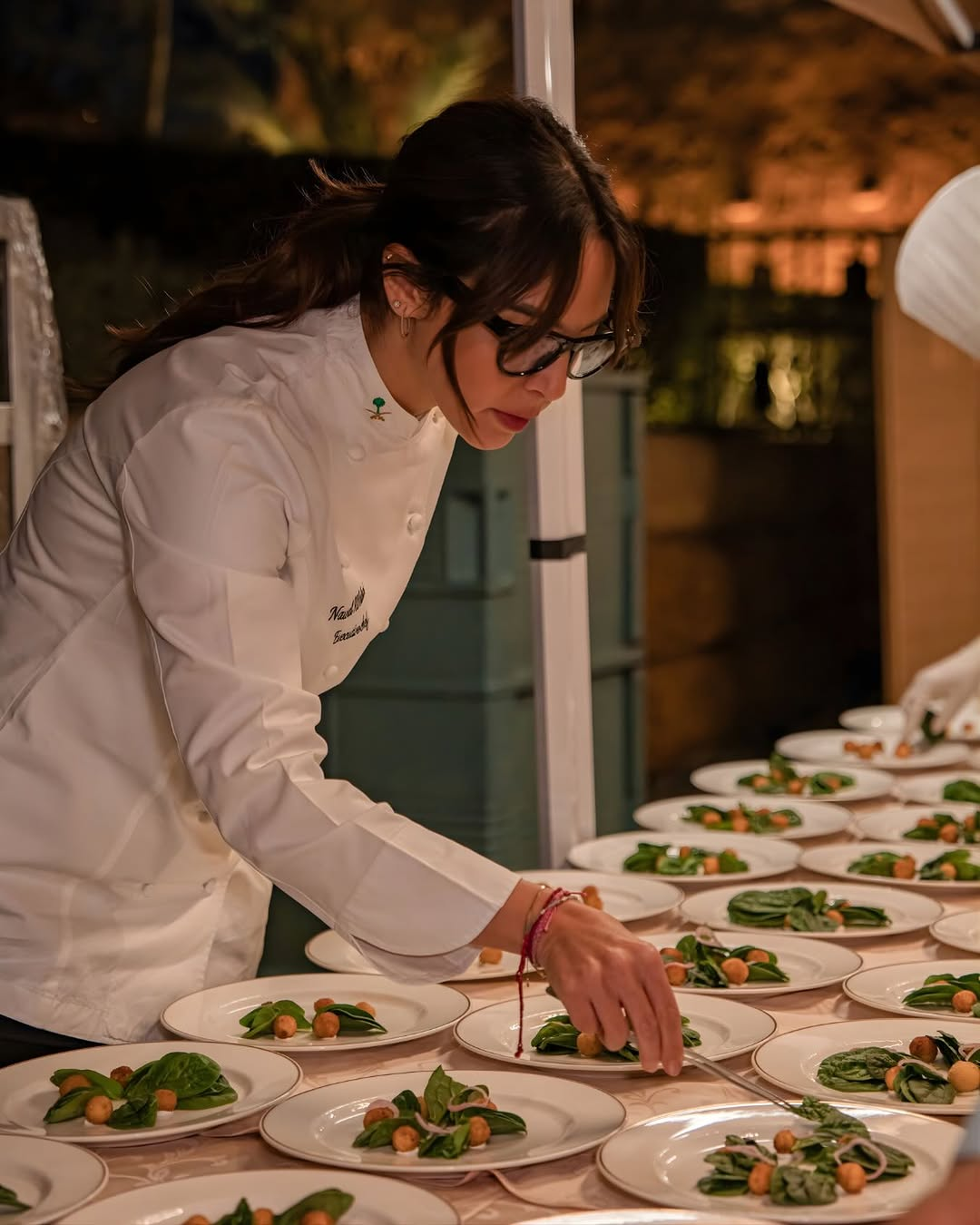
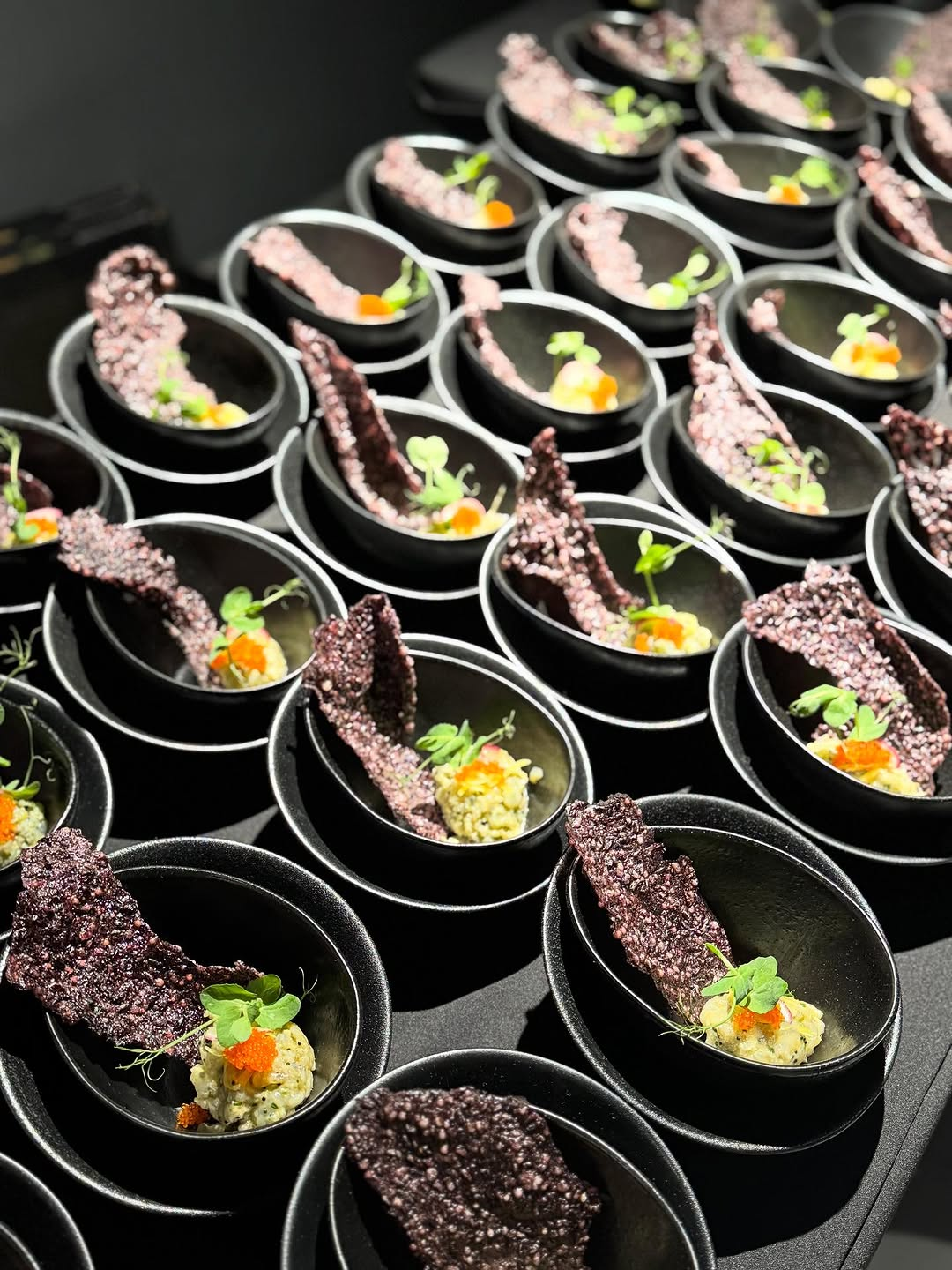
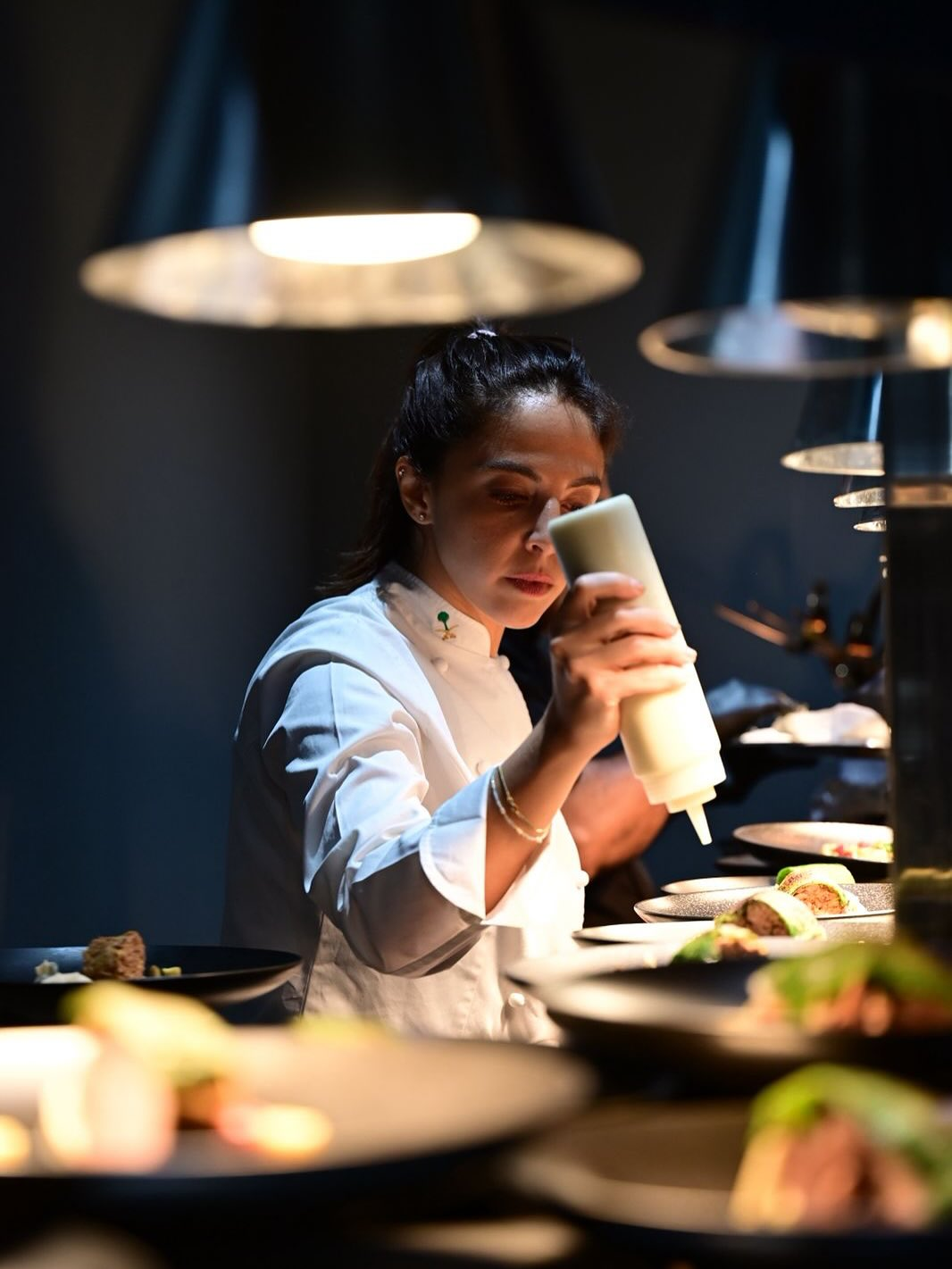
Asfar is not simply a food business. It operates across culinary consultancy, hospitality, pop-ups, menu development, cultural events, and immersive dining. Its work includes collaborations and experiences connected to places and institutions. The model is flexible, but the purpose is clear. Asfar turns Saudi cuisine into an experience of place, memory, and meaning.

Asfar Was Built for More Than the Plate
What makes Asfar distinct is not only what it serves, but how it thinks. The company sits at the intersection of food, heritage, hospitality, and design. It does not treat Saudi cuisine as a fixed archive of recipes. It treats it as a living language, one that can be adapted carefully across settings without losing its identity.
In one context, that might mean a menu shaped by AlUla’s landscape and local produce. In another, it might mean Saudi ingredients interpreted through Japanese techniques in a collaboration with ROKA Riyadh. In another, it might mean introducing international guests in London to Saudi flavors through a cultural event.
This kind of work requires more than culinary skill. It requires cultural fluency. A founder working in this space has to understand ingredients, but also symbolism. They have to understand hospitality, but also audience. They have to know when to explain, when to preserve, and when to reinterpret. Asfar’s strength lies in that balance. It presents Saudi cuisine in new formats while keeping the emotional and cultural center intact.
When the Place Becomes the Product
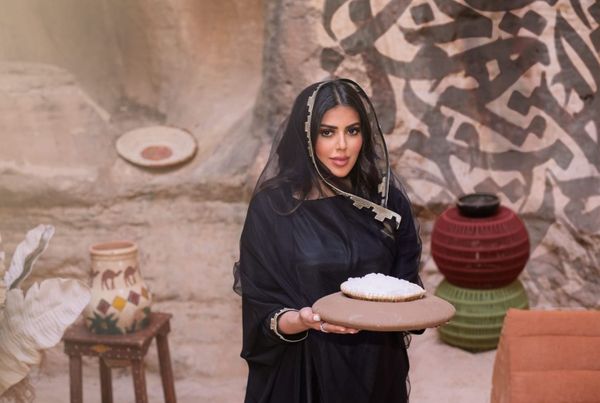
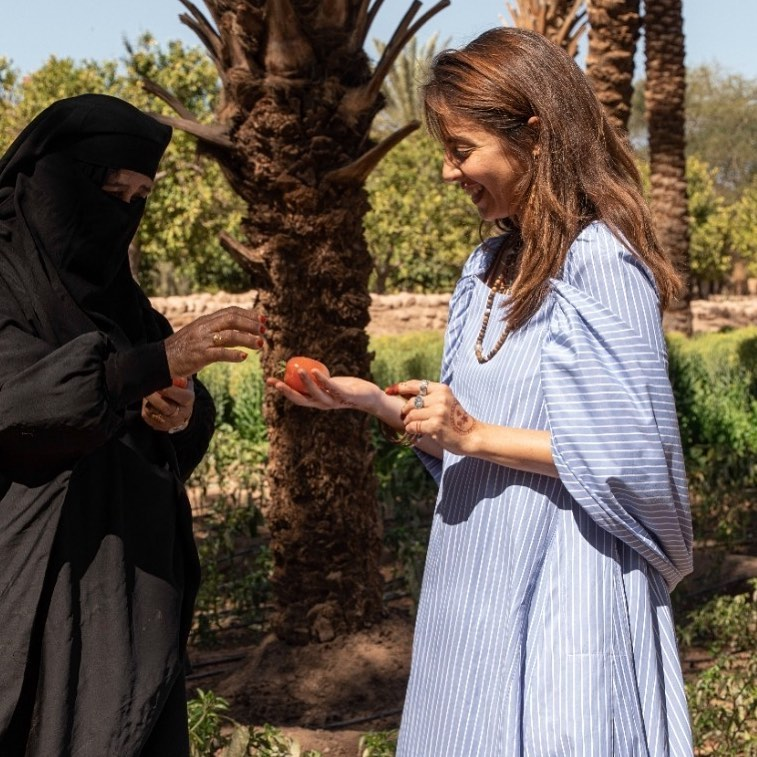
One of the clearest examples of Nawal’s approach is her work in AlUla, where food had to do more than sit against a beautiful backdrop. It had to belong. Asfar drew from local ingredients, seasonal produce, and recipes connected to families and women from the area, making the dining experience feel rooted in place.
That same thinking shaped its sustainability. By focusing on local sourcing, waste reduction, reuse, and seasonality, Asfar treated sustainability as a discipline, not a slogan. For founders in culture, tourism, and hospitality, the lesson is clear: place should shape the product.
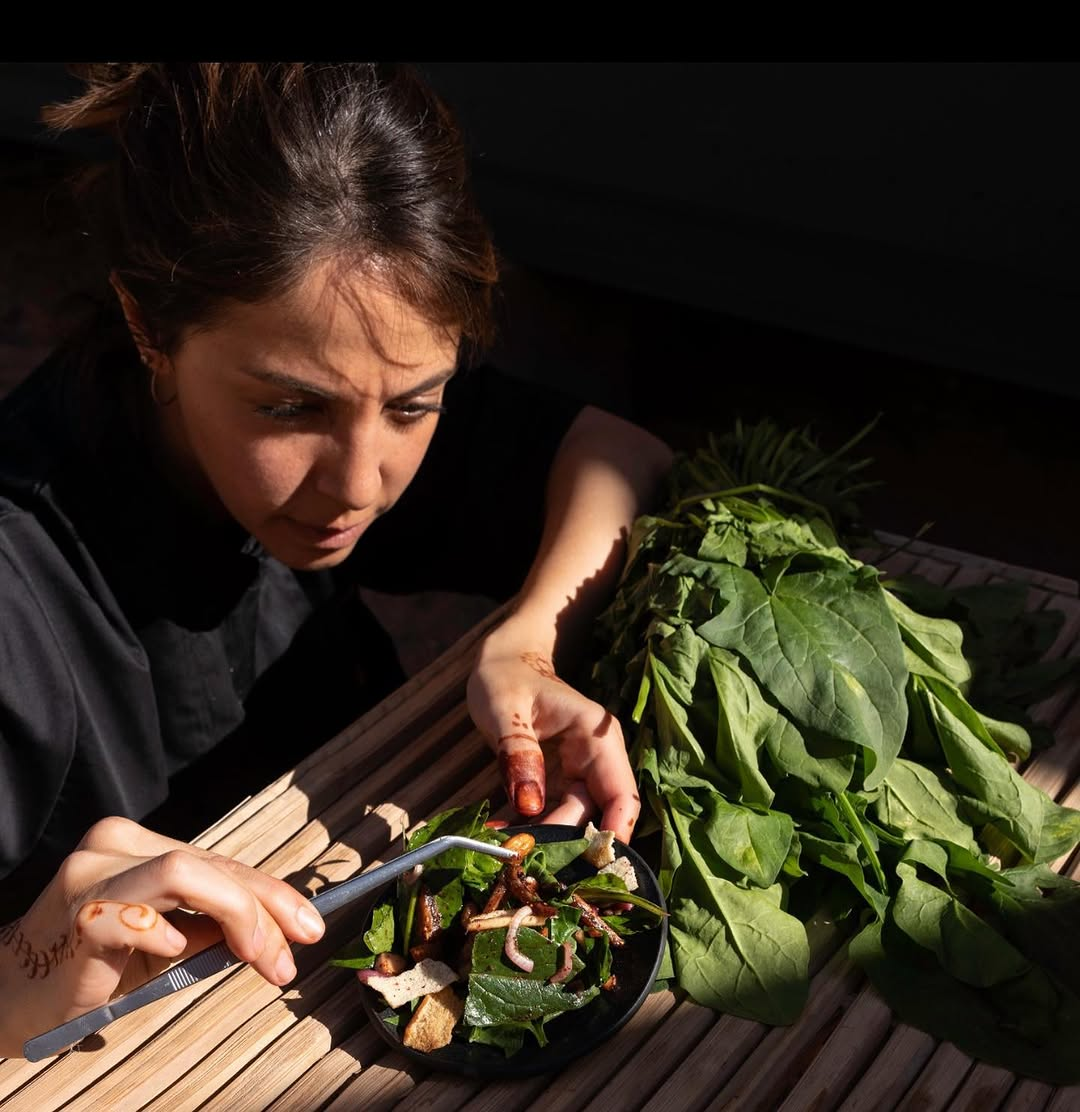
"Cooking with farmers showed me how generous the land can be, and abroad it became a story of place and resilience. In those moments, the dish itself becomes an ambassador.”
Saudi Flavor, Global Language
Nawal’s work has moved beyond Saudi Arabia into cultural and hospitality spaces in cities such as London and Paris, but its global presence is built from her Saudi identity, not separate from it. Her collaboration with ROKA Riyadh for Saudi National Day reflected this clearly, bringing Saudi ingredients into conversation with Japanese technique in a way that felt intentional rather than forced.
Her work also shows how food can become a form of cultural diplomacy. Through taste, texture, memory, and hospitality, Saudi cuisine can enter global rooms with confidence and depth. As Nawal has described it, she sees herself as an ambassador for Saudi cuisine, helping shape not only how it is served, but how it is understood.
Carrying Heritage Forward
Nawal Alkhalawi’s story is not about preserving Saudi cuisine in the past. It is about giving it a future. Through Asfar, she is showing how food can move across contexts, while still carrying the warmth of its origins. Her work honors the old without becoming trapped by it. It brings Saudi flavors into new rooms without asking them to become something else.
That balance is what makes her founder journey worth studying. In the years ahead, Saudi Arabia’s cultural economy will need founders who understand both heritage and execution. Nawal Alkhalawi is one of those founders. Her work reminds us that cuisine is not only what is served. It is what is remembered.
Follow Founder’s Tale for more stories of the visionaries shaping Saudi Arabia’s future.