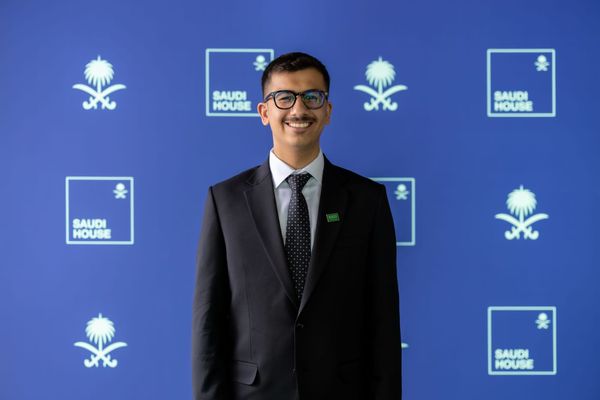
Rakan Al Eidi: Building Saudi Arabia’s Portable Charging Network with Chaizer
Discover how Rakan Al Eidi built Chaizer into Saudi Arabia’s portable charging network through disciplined execution, market insight, and founder-led growth.

Saudi Arabia’s entrepreneurial growth is not just about more startups. It’s about better problem-solving, sharper execution, and founders who understand how to turn everyday friction into scalable opportunity. Rakan Al Eidi embodies that shift. With Chaizer, he took a common, almost universal inconvenience and reframed it as a service built around access.
What makes his journey especially relevant is the perspective behind it. Before becoming a founder, Rakan spent years inside Saudi Arabia’s startup ecosystem, working closely with entrepreneurs, investors, and institutions. That exposure gave him a clear view of how companies scale, where they stall, and what separates ideas that stay theoretical from those that become real businesses. When he eventually made the shift into company-building, he applyied those lessons to build a business designed not just as a product, but as a system people would return to again and again.
From Ecosystem Builder to Company Builder
Before founding Chaizer, Rakan Al Eidi built his career across several of the institutions and companies that shaped Saudi entrepreneurship in the 2010s. He started at Saudi Aramco as an industrial engineer, then went on to earn a master’s degree from the University of Queensland in entrepreneurship and HRM. From there, he moved deeper into the startup ecosystem: he became the founding managing director of Endeavor Saudi Arabia, served as a venture partner at 500 Startups, advised Prince Mohammad Bin Salman College of Business & Entrepreneurship (MBSC), and held roles including board member at Oqal and co-founder of a co-working space named Cown before launching Chaizer in 2017.
That mix gave him a rare front-row seat to how founders think, how startups scale, how investors assess risk, and where businesses often lose momentum. But he also understood that observing entrepreneurship is different from living it. In his own reflections, he describes 2017 as the point when he chose to leave the theory, advisory, and ecosystem side of the market and step directly into company-building. It was a deliberate shift from supporting founders to becoming one himself.
Learning Beyond the Classroom
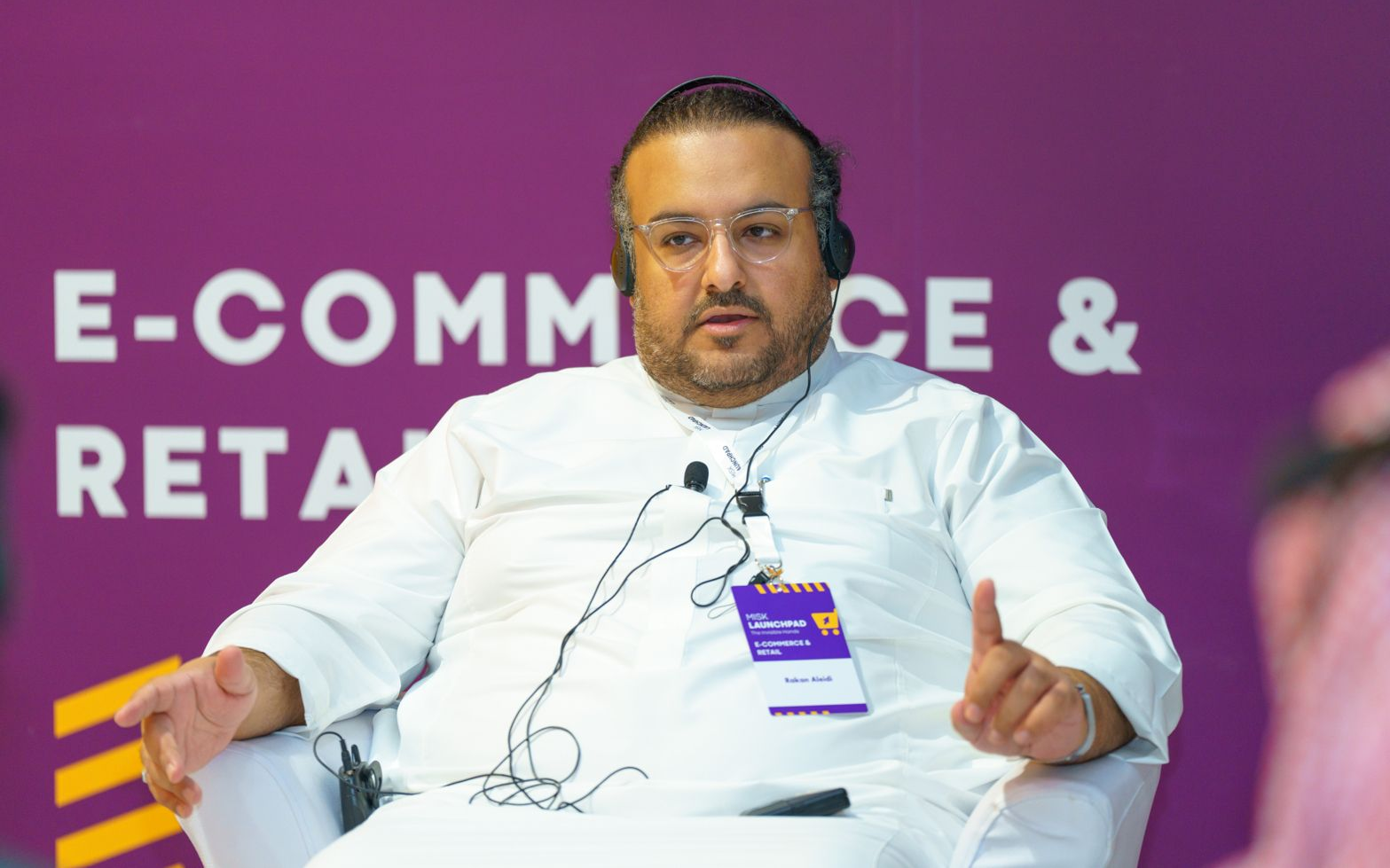
One of the strongest themes in Rakan’s story is self-development. He did not treat education as something confined to formal degrees. During his years abroad, he invested heavily in learning outside the classroom through conferences, courses, startup events, and entrepreneurial communities. He describes tracking hundreds of hours of development beyond his formal studies.
That mindset helps explain how he developed founder judgment before launching Chaizer. His story is a reminder that entrepreneurship education does not end with a qualification. Often, the most important learning happens after hours, outside job descriptions, and in spaces where curiosity has to be self-driven.
The Idea Behind Chaizer
Chaizer began with a practical pain point that millions of consumers recognize instantly: the phone battery that dies at exactly the wrong time. Instead of treating that as a minor inconvenience, Rakan Al Eidi saw a recurring service opportunity. His insight was simple but powerful. People do not really want another device. They want power when they need it most. That insight shaped how he thought about the company from the start. Chaizer was never only about selling chargers. It was about building easier access to energy in daily life.
Chaizer Began as a Swap Model, Not Just a Product
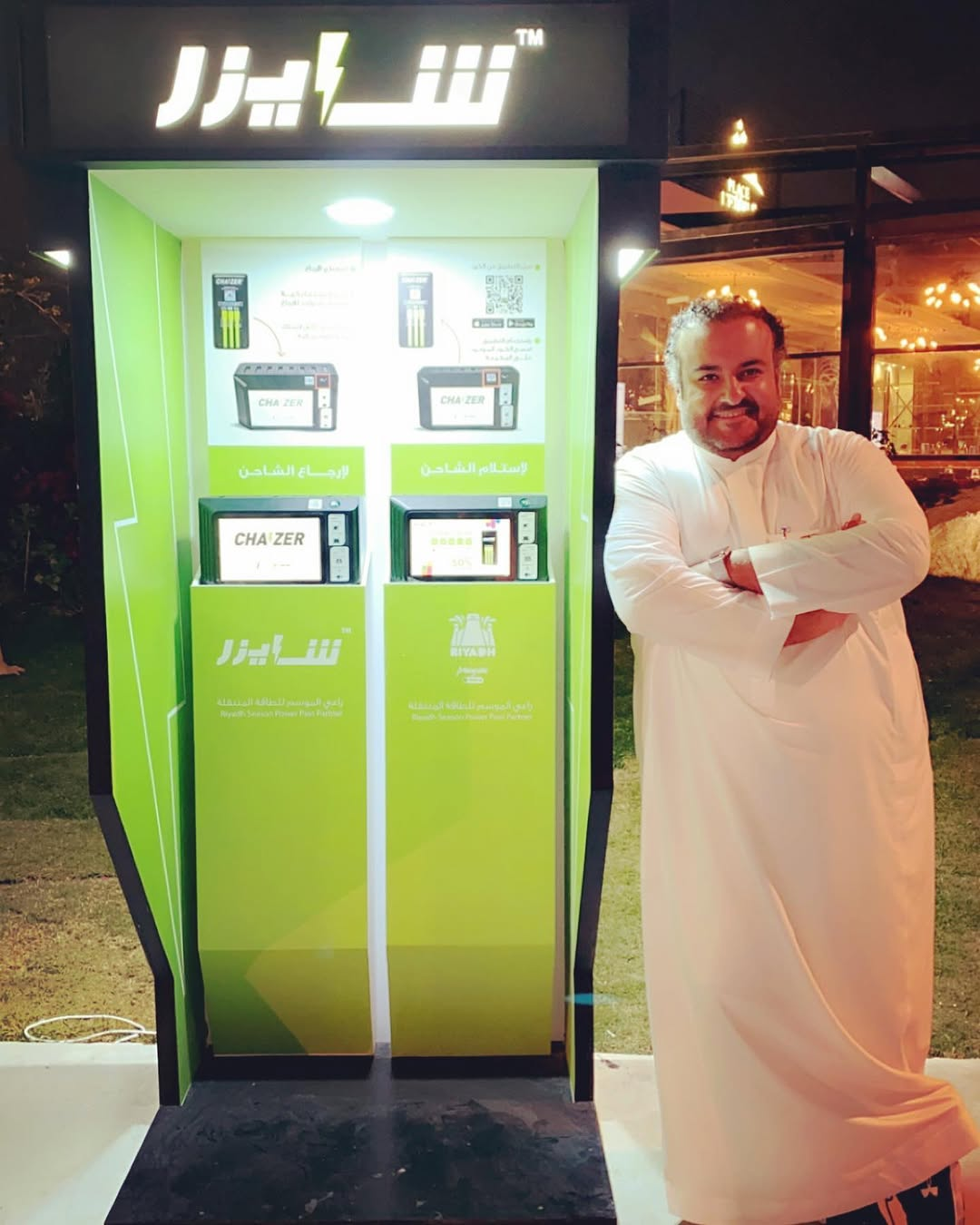
One of the most interesting parts of Rakan’s explanation is that Chaizer did not begin as a conventional charger company. What he describes as the first version of the business was based on rental and swapping logic. Users would buy into access, use the charger, then exchange an empty unit for a charged one across the network. Later, the model evolved into a structure built around sales plus subscriptions.
He compares the idea to a gas-cylinder system. What matters is not whether you keep one exact unit forever. What matters is ongoing access to the service. That distinction helps explain why Chaizer was designed more like a network than a simple product business.
The Real Product is Portable Energy
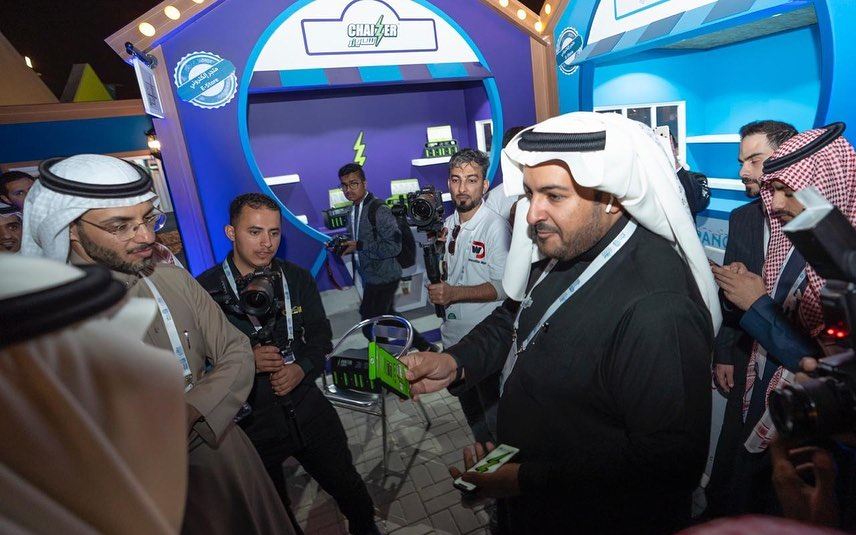
For Rakan, Chaizer was never really about selling a lithium-filled plastic device. The real product was portable energy. What customers wanted was not ownership of a power bank as an object, but reliable access to power exactly when they needed it, while moving through the city, traveling, working, or attending events. That distinction shaped how he built the company and how he defined the opportunity: not as an accessories business, but as a service built around everyday energy access.
That framing is important because it elevates Chaizer beyond accessories. It positions the business as a service-layer company, one built around recurring need and repeated behavior. It also explains why the business model was always broader than retail hardware.
Customer Education Was Part of the Business
The early Chaizer model sounded simple in theory, but in practice it required behavior change. That turned customer education into part of the product itself. Rakan Al Eidi explains that many users initially struggled with the logic of swapping. They still thought in terms of owning a specific device, rather than accessing a network.
He gives a memorable example of a customer who marked her charger with nail polish and later wanted that exact unit back. That small moment captures a bigger reality. Even good ideas face friction when they challenge ownership habits people already understand. Chaizer was not just launching a device, it was asking users to adopt a new service behavior.

A Hard Business in a Market that Rewards Simplicity
Chaizer is not an easy startup category. Rakan Al Eidi has been candid about that. The company sits at the intersection of hardware, logistics, user education, customer service, and recurring revenue. It requires not only building a product, but also building the ecosystem around the product.
He describes the company as effectively two businesses in one. On one side is a hardware and manufacturing operation involving product standards, engineering, machines, production, and China-based operations. On the other side is a digital subscription and service business, including what became Chaizer Plus.
That dual nature is part of what made the company hard to fund. The business raised around $6 million, largely from angel investors, while many funds hesitated because the business involved hardware and a model they saw as too complex. Yet that same complexity is also what makes Chaizer distinctive. It is not a lightweight software story. It is an infrastructure and behavior business built around real-world execution.
Trusted by Saudi Institutions
Under Rakan Al Eidi’s leadership, Chaizer has grown into one of Saudi Arabia’s most visible portable charging platforms, with its success reflected in a widening network of high-profile partnerships across the Kingdom. Today, Chaizer appears alongside major institutions and destinations such as Riyadh Airports, Saudi Aramco, SDAIA, AlAwwal Park, the Ministry of Culture, and Riyadh Park, among many others. That reach says a great deal about both the business and the founder behind it. Rakan has not only built a recognizable charging company, but positioned Chaizer as a trusted service partner woven into Saudi Arabia’s mobility, retail, cultural, and event ecosystems.
1. Learn beyond your degree and beyond your job.
His development accelerated because he kept learning outside formal structures.
2. Enter the market faster than feels comfortable.
His strongest lessons came from testing, not overplanning.
3. Let failure teach quickly, not expensively.
The coworking venture showed him the value of smaller experiments and faster feedback.
4. Build a company around a real recurring need.
Chaizer worked because the problem it addressed was frequent, visible, and deeply felt in everyday life.
A Founder for a Changing Market
Rakan Al Eidi represents a distinct kind of Saudi founder: one shaped by education, ecosystem exposure, and the courage to move from insight into execution. Through Chaizer, he has taken an everyday consumer problem and built a business that reflects where the Kingdom is heading: toward more connected, mobile, service-oriented lifestyles that reward convenience, infrastructure, and disciplined innovation.
His story resonates because it is useful. It speaks to readers who want to build something of their own, learn faster, and understand that entrepreneurship is rarely about one perfect idea. More often, it is about developing the judgment to keep moving, refining, and solving real problems better than before.
Follow Founder’s Tale for more stories of the visionaries shaping Saudi Arabia’s future.